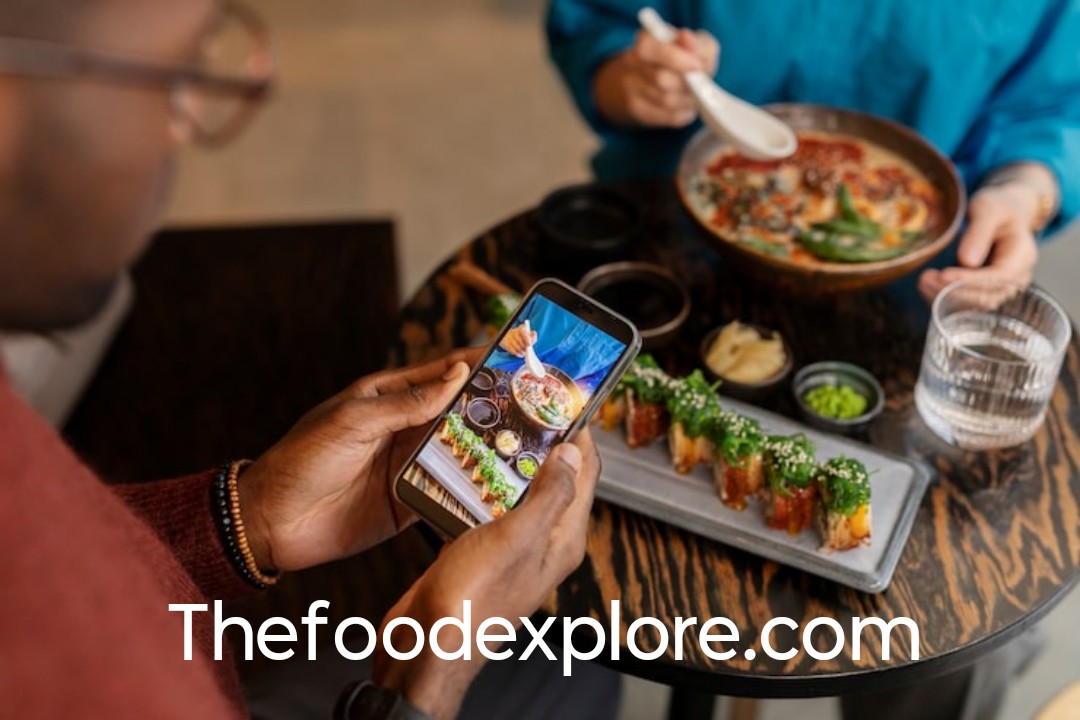
Social media is changing food culture around the world in a very powerful way. Today, what people eat, how they cook, and how restaurants grow is deeply influenced by platforms like Instagram, YouTube, Facebook, and TikTok. In the past, food trends spread slowly through TV shows, cookbooks, or local word of mouth. Now, a single viral food video can change global food habits in just a few hours.
How Social Media Helps People Discover New Food
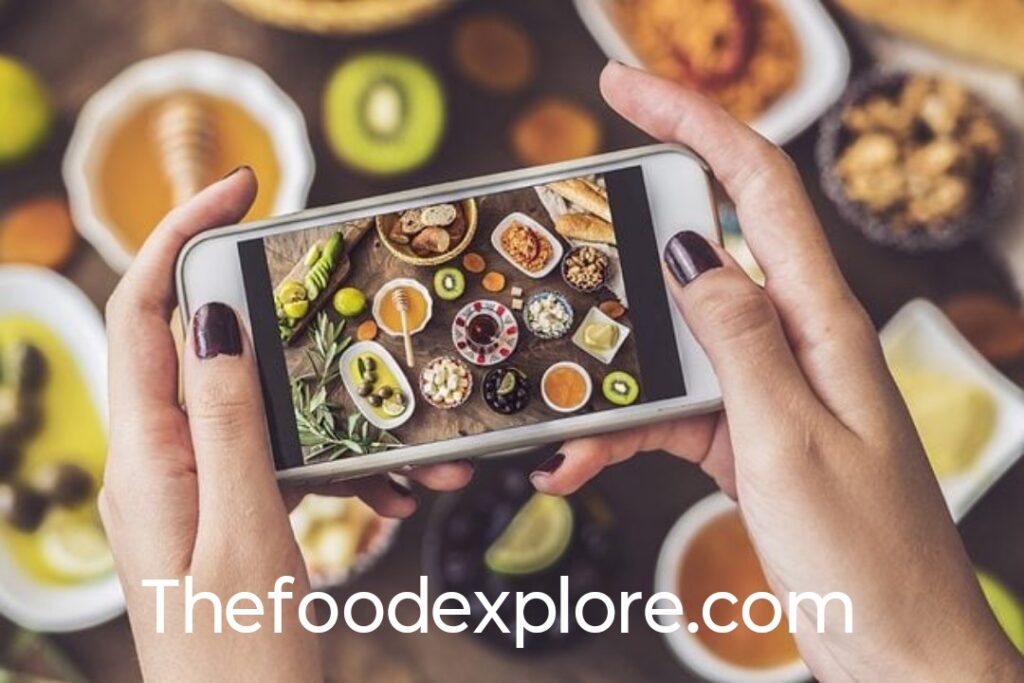
One of the biggest changes in modern food culture is how people discover new food. Earlier, people mostly ate local or home-cooked food. But now, social media platforms allow users to explore food from different countries instantly.
A person in India can easily discover Korean street food, Italian pasta, Japanese sushi, or American burgers just by scrolling their phone. This has increased interest in global food trends and made people more open to trying international cuisines.
Because of social media food discovery, even traditional and regional dishes are getting worldwide attention.
Rise of Food Content, Food Videos, and Food Photography
Food content creation has become one of the most popular categories on social media. Food photos and food videos are widely shared because people love visually appealing meals.
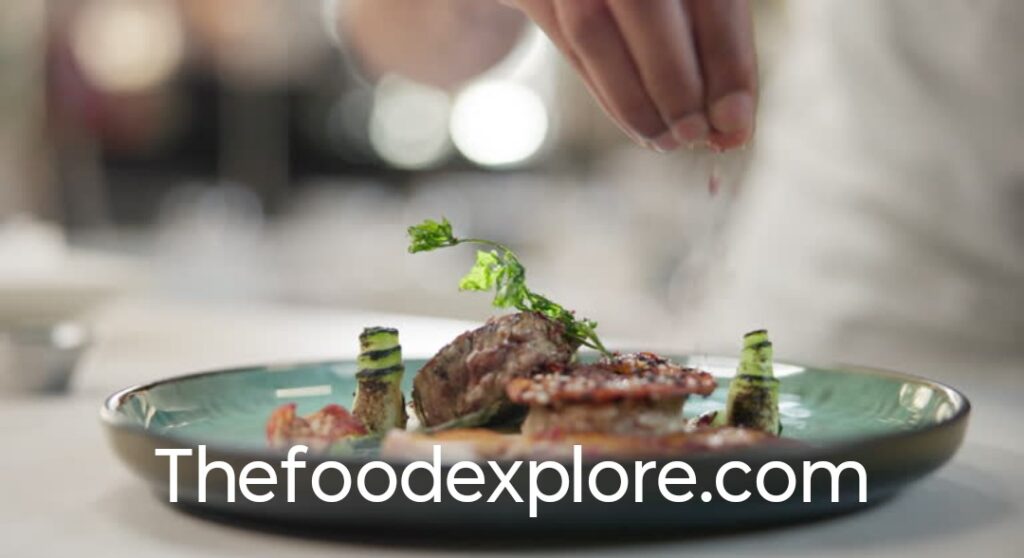
Dishes with bright colors, cheese pulls, quick recipes, and creative plating often go viral. This has led to the rise of food photography trends where presentation matters as much as taste.
Restaurants also focus on making “Instagram-worthy food” because they know customers are likely to share it online. This helps increase restaurant visibility and brand awareness.
Short-form food videos on platforms like TikTok and Instagram Reels have also made food trends spread faster than ever. A single viral recipe video can be recreated worldwide within days.
Impact of Social Media on Home Cooking and Recipes
Social media has completely changed home cooking habits. Earlier, people depended on cookbooks or family recipes. Now, they learn cooking through YouTube cooking tutorials, Instagram reels, and food blogs.
Step-by-step recipe videos make it easier for beginners to cook at home. This has increased interest in home cooking and easy recipes, especially among young people.
Social media has also introduced many quick recipes, easy dinner ideas, and budget-friendly meals that people can try at home.
Fast Changing Viral Food Trends
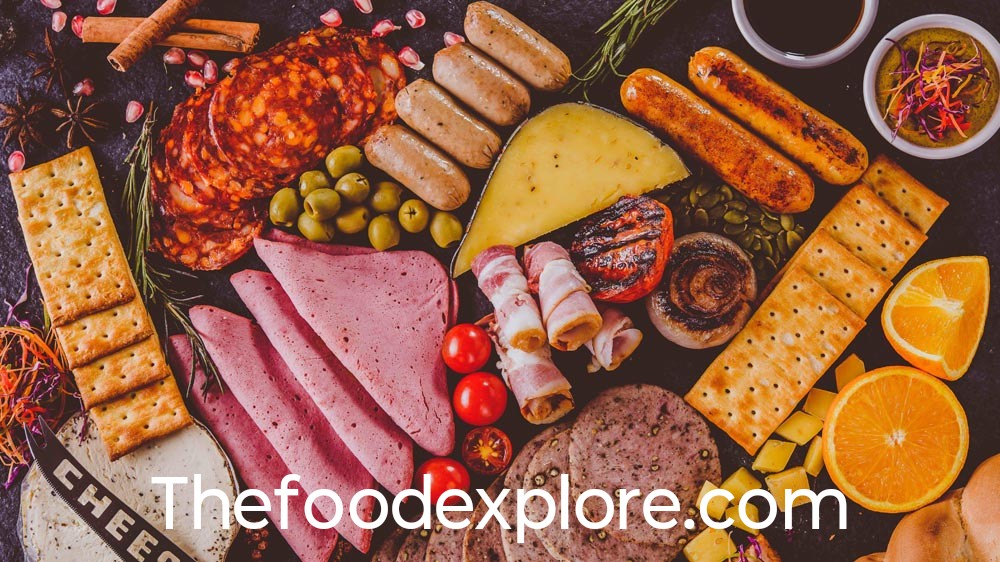
One major feature of social media food trends is how fast they change. A viral food today may disappear next week. Food trends like whipped coffee, rainbow foods, and fusion dishes show how quickly internet food culture evolves.
While this makes food exciting and fun, it also creates pressure for both users and restaurants to keep up with viral food trends.
Food Influencers and Digital Food Marketing
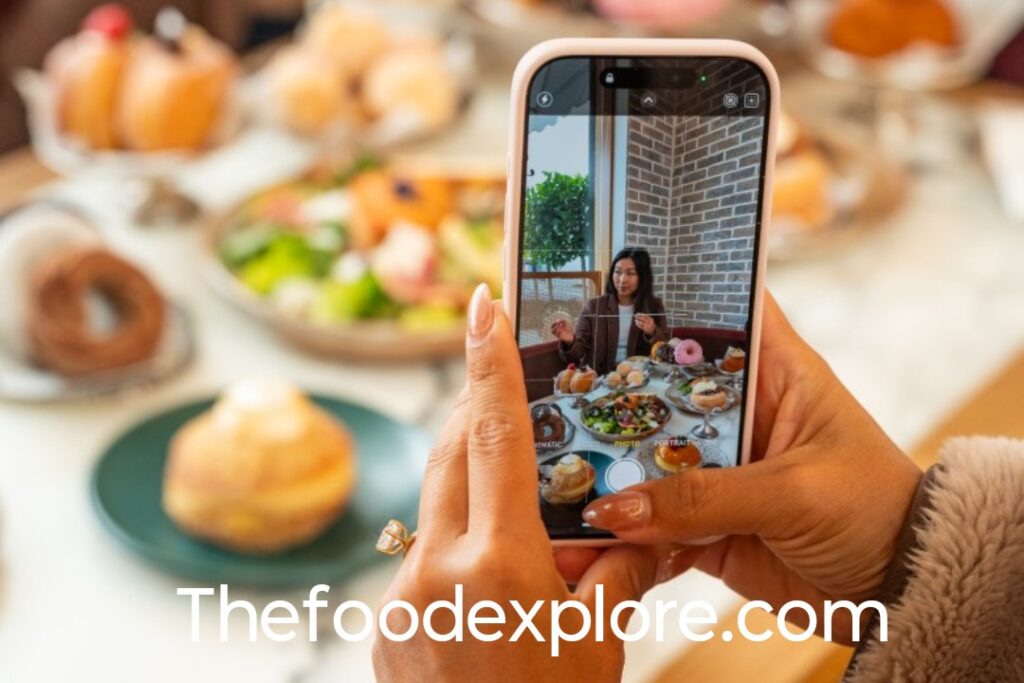
Food influencers play a big role in shaping modern food culture. These influencers share restaurant reviews, food recipes, street food videos, and cooking ideas with millions of followers.
Because of food influencer marketing, many people trust online reviews more than traditional advertisements. A single recommendation from a popular food influencer can increase restaurant traffic instantly.
This has made influencer marketing an important part of digital food promotion and restaurant branding.
Social Media Impact on Small Food Businesses
Social media has helped many small food businesses grow faster than ever before. Local food stalls, home chefs, and small restaurants can now reach a large audience without spending much on advertising.
A simple viral video of street food or homemade dishes can bring huge attention and customers. Platforms like Instagram and Google Maps reviews have become powerful tools for food business growth.
Problems of Social Media Food Culture
Even though social media has improved food discovery, there are also some problems.
Sometimes food looks very different online compared to real life. Edited food photos, filters, and camera angles can make dishes look better than they actually are. This creates unrealistic food expectations.
Another issue is unhealthy viral food trends. Many trending foods are high in sugar, oil, or calories. People try them for fun, but they are not always good for health.
Social Media and Restaurant Trends
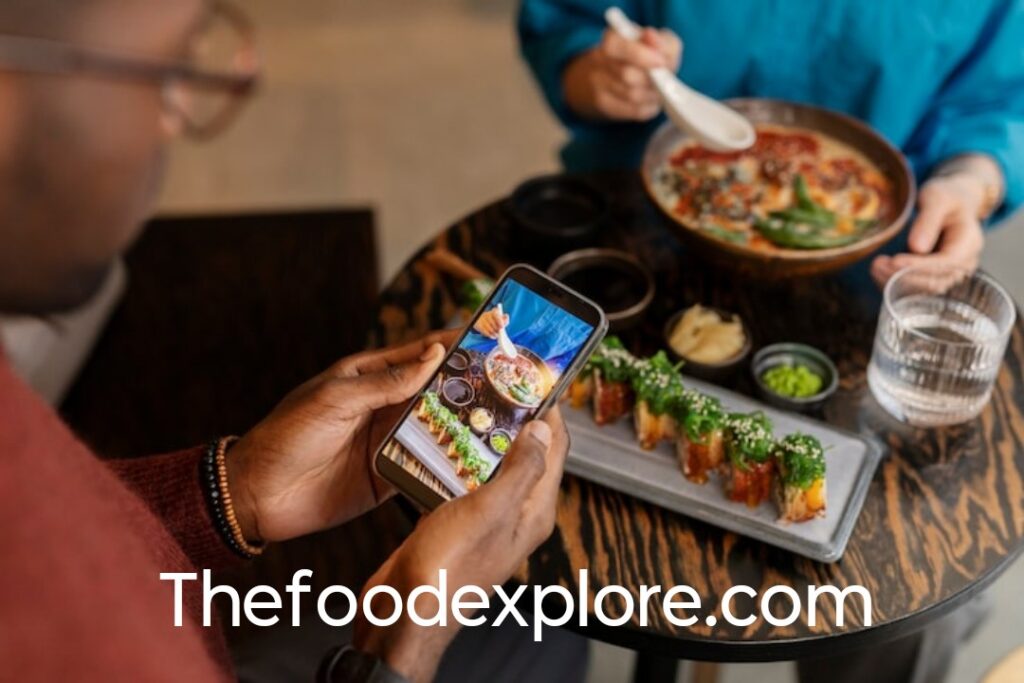
Restaurants today focus heavily on social media marketing. Many restaurants design their interiors to be visually attractive for photos and videos.
This includes aesthetic lighting, themed décor, and creative plating styles. The goal is to encourage customers to share their dining experience online.
Because of this, restaurant branding and food presentation have become just as important as taste.
Globalization of Food Through Social Media
Social media has helped spread global food culture. Foods like sushi, pizza, tacos, burgers, dumplings, and noodles are now enjoyed worldwide.
At the same time, regional food and traditional recipes are also getting international attention. This exchange of food culture has made global cuisine more diverse and accessible.
However, some traditional dishes are modified heavily for social media appeal, which sometimes changes their original taste and identity.
Conclusion: Future of Food in the Social Media Era
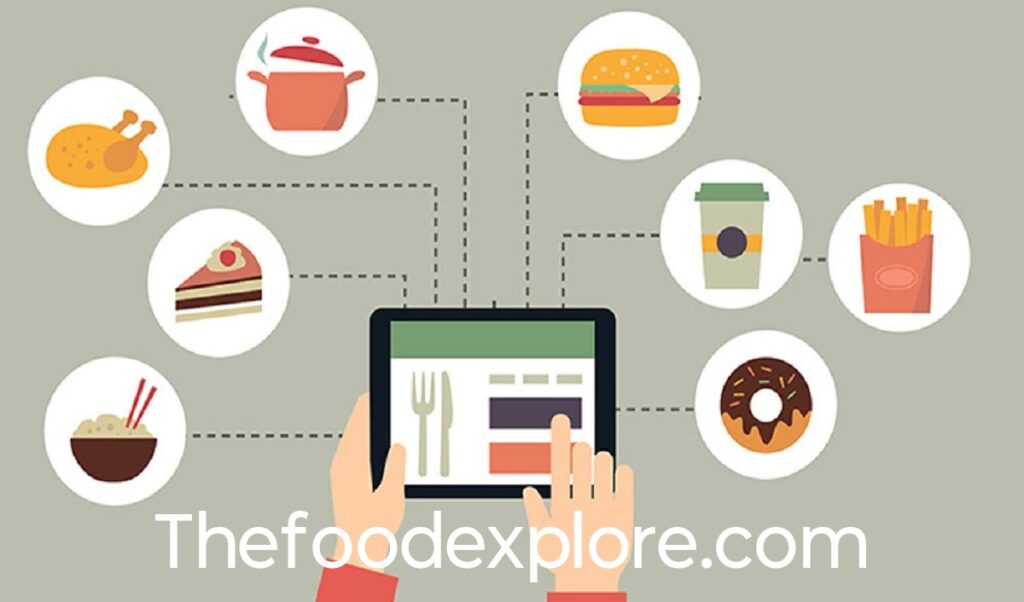
Social media has completely transformed the food industry and global food culture. It has changed how people discover food, how they cook, and how they share dining experiences.
From food influencers to viral recipes, from restaurant marketing to home cooking tutorials, everything is influenced by digital platforms.
While there are some challenges like unrealistic expectations and unhealthy food trends, the overall impact is very positive.
Today, food is not just about eating. It is about sharing, discovering, and experiencing global food culture online.
As social media continues to grow, food trends, food content creation, and digital food marketing will keep evolving and shaping the future of how the world eats.
