When planning a trip, many travelers spend hours researching the best places to eat. They scroll through review websites, save restaurant recommendations from social media, and make reservations weeks in advance. I’ve done the same countless times, believing that the most memorable meals would naturally come from the most famous establishments. While many of those restaurants have been excellent, some of my most cherished food memories were created in places that never appeared on any recommendation list. Over time, I’ve realized that a great food experience is about much more than the quality of the food itself. It’s about the people, the atmosphere, the traditions, and sometimes the unexpected moments that happen along the way.
Travel has taught me that food is one of the most authentic ways to understand a place. It reflects history, culture, geography, and local traditions. Yet some of the richest food experiences happen far from elegant dining rooms and carefully curated menus. They happen in bustling markets, on busy street corners, inside family homes, and in small neighborhood eateries where tourists rarely venture. These are the places where food feels less like a product and more like a part of everyday life.
The Problem with Chasing “The Best Restaurant”

There is nothing wrong with visiting highly rated restaurants while traveling. In fact, many talented chefs use their craft to preserve culinary traditions and showcase local ingredients in creative ways. However, focusing only on famous restaurants can sometimes create a limited view of a destination’s food culture. Restaurants often represent one side of the culinary story, while the everyday eating habits of local people reveal another.
In many places, the food that truly defines a community is not found in luxury dining establishments. It is found in the neighborhood bakery where residents buy fresh bread every morning, in the market where families shop for seasonal produce, and in the small food stalls that have served the same recipes for generations. These places may not receive international recognition, but they often provide a more authentic glimpse into local life.
One of the joys of travel is discovering how people eat when they are not trying to impress visitors. Observing these everyday food traditions can teach us far more about a destination than any guidebook recommendation ever could.
The Tiny Market Stall I’ll Never Forget
One of my most memorable food experiences happened completely by accident. I was exploring a city without any specific plans, simply wandering through neighborhoods and observing daily life. After spending the morning visiting popular attractions, I stumbled upon a local market filled with vendors selling fresh produce, spices, baked goods, and prepared meals.
The market was alive with activity. Vendors greeted regular customers by name, children followed their parents through narrow aisles, and the aroma of freshly cooked food filled the air. Among dozens of stalls, one small stand caught my attention. An elderly woman was preparing a traditional dish using ingredients that looked incredibly fresh. There was nothing flashy about the setup, but the steady stream of local customers suggested that she knew exactly what she was doing.
I decided to try the dish, and while the food itself was delicious, what stayed with me was the experience surrounding it. Watching the preparation, observing the interactions between customers and vendor, and feeling immersed in the rhythm of local life made the meal far more meaningful. Years later, I remember that market visit more clearly than many meals I’ve enjoyed at famous restaurants.
Street Food Tells a Different Story

Street food has become increasingly popular among travelers, but its appeal goes far beyond affordability. In many destinations, street food represents the heart of local culinary culture. These dishes often have long histories and are deeply connected to the communities that created them. For many residents, street food is not a tourist attraction but an essential part of daily life.
What makes street food experiences so special is the direct connection between the person preparing the food and the person eating it. There is no separation between kitchen and dining room. Everything happens in front of you. You can watch ingredients being prepared, observe cooking techniques that have been refined over decades, and experience the energy of the surrounding environment.
Street food also offers a unique sense of place. The sounds of traffic, conversations between locals, the scent of spices in the air, and the sight of people gathering around popular stalls all become part of the experience. Even simple dishes can become unforgettable when enjoyed in such a vibrant setting. Often, it is this combination of food and atmosphere that creates lasting memories.
The Magic of Food Markets
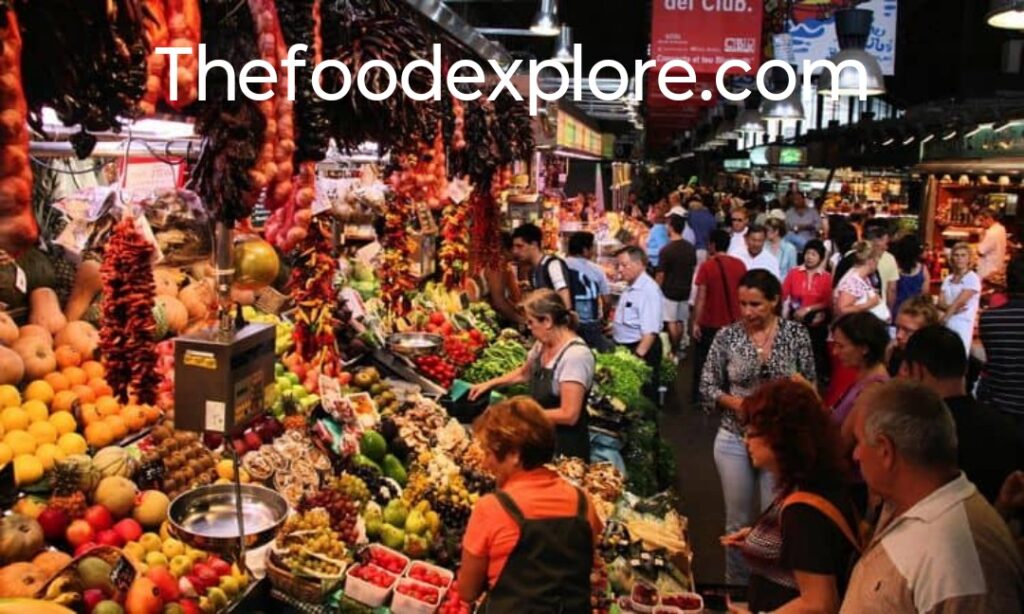
Whenever I visit a new destination, one of the first places I try to explore is the local market. Markets provide a fascinating window into everyday life and offer insights that are difficult to find elsewhere. By observing what people buy, what ingredients are available, and how vendors interact with customers, travelers can gain a deeper understanding of local culture.
Markets often reveal the seasonal rhythms of a region. Certain fruits, vegetables, and ingredients appear only at specific times of the year, reflecting local agricultural traditions. They also showcase products that may never appear on restaurant menus but play an important role in home cooking.
Beyond the food itself, markets are places where communities gather. They are social spaces filled with conversations, traditions, and routines. Exploring a market allows travelers to move beyond the role of observer and become part of the daily life unfolding around them. Even a short visit can provide a richer understanding of a destination than hours spent following a tourist itinerary.
The Power of Home-Cooked Meals

If there is one type of food experience that consistently stands above all others, it is sharing a home-cooked meal. Restaurants can offer exceptional food, but a meal prepared in someone’s home often provides a level of connection that is impossible to replicate in a commercial setting.
Family recipes carry history. They are often passed from one generation to the next, preserving traditions and memories along the way. When people prepare these dishes, they are not simply following instructions; they are continuing a story that may stretch back decades or even centuries.
Sharing a home-cooked meal also creates opportunities for genuine cultural exchange. Conversations flow naturally around the table, and food becomes a bridge between different backgrounds and experiences. Whether discussing ingredients, family traditions, or everyday life, these interactions often become some of the most meaningful moments of a journey.
Many travelers spend years searching for authentic experiences without realizing that authenticity is often found in the simplest settings. A family meal shared with local people can provide insights and memories that no restaurant, regardless of its reputation, can match.
Why the Unexpected Meals Stay With Us

One of the most interesting things about travel is how often the best experiences are unplanned. We spend time researching attractions, booking accommodations, and creating itineraries, yet some of our strongest memories come from moments we never anticipated.
Food experiences are no exception. A roadside food stall discovered during a long journey, a small café entered to escape a sudden rainstorm, or a local recommendation from a friendly stranger can lead to unexpectedly memorable meals. These experiences often feel more personal because they are discovered rather than scheduled.
Part of the excitement comes from the element of surprise. Without expectations, travelers can focus entirely on the experience itself rather than comparing it to online reviews or social media recommendations. This openness often allows simple moments to become extraordinary.
Conclusion
Travel often teaches us that the most memorable experiences are rarely the ones we plan down to the last detail. The same is true when it comes to food. While famous restaurants and highly rated dining spots certainly have their place, they don’t always capture the true essence of a destination. Some of the richest food memories come from moments of spontaneity stopping at a busy market stall, accepting a recommendation from a local, or discovering a small eatery tucked away on a quiet street.
What makes these experiences special isn’t just the food itself, but the stories, people, and atmosphere that surround it. A simple meal can become unforgettable when it offers a glimpse into everyday life and creates a genuine connection with a place. Long after a trip is over, we often remember how a meal made us feel rather than how much it cost or how beautifully it was presented.
The next time you travel, allow yourself to look beyond the restaurant rankings and popular recommendations. Follow the aromas drifting through a market, explore unfamiliar neighborhoods, and stay open to unexpected discoveries. You may find that the best food experience of your journey isn’t found on a reservation list at all it is waiting in the places where local life unfolds every day.
